HOTLINE
0909648899 028 62578355
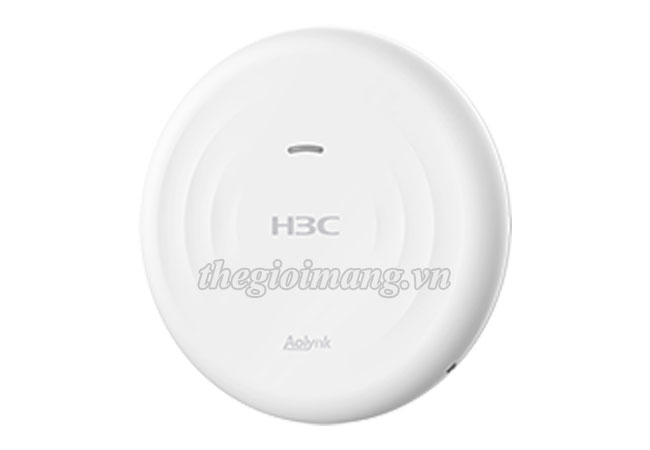
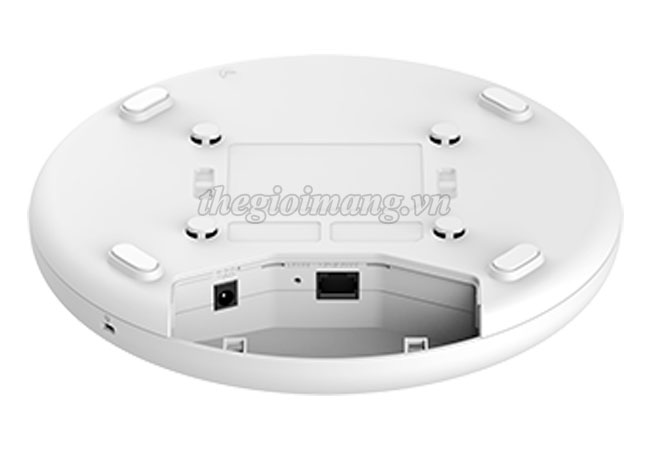
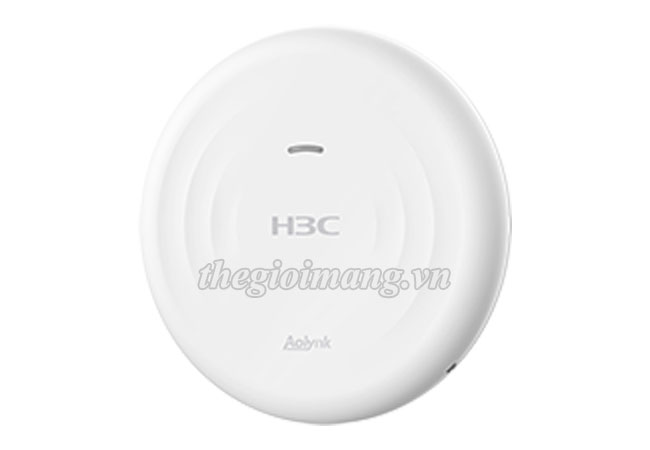
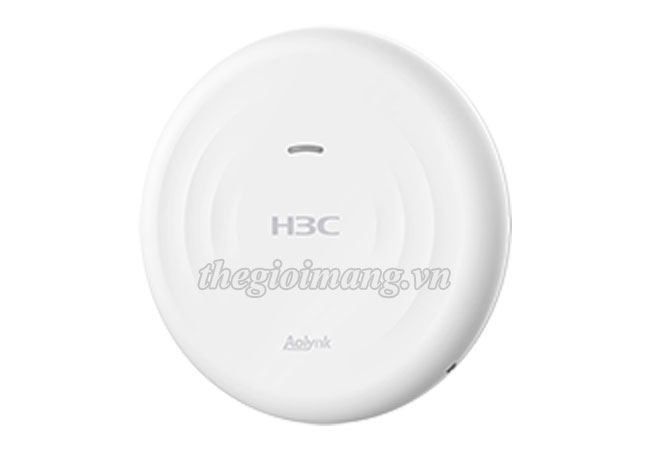
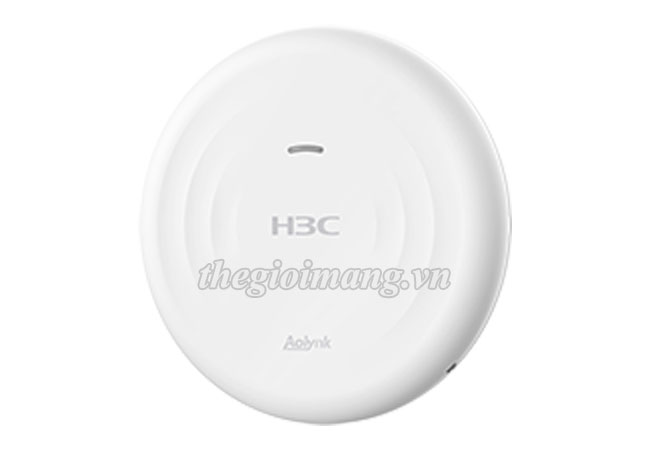
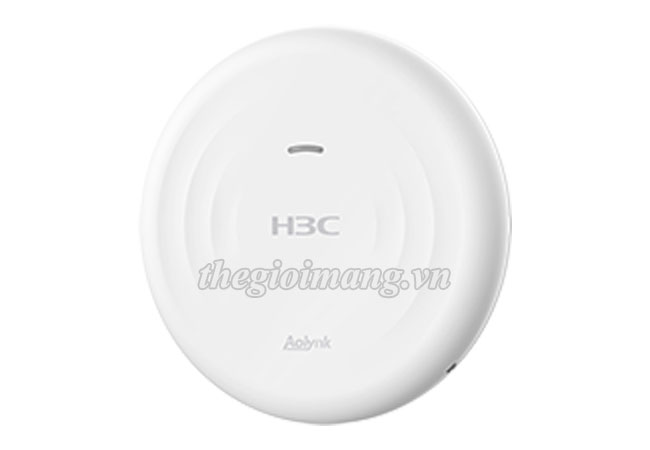
Bộ phát Wi-Fi 5 trong nhà H3C Aolynk UAP522G-AC13




H3C Aolynk UAP522G-AC13 là bộ truy cập không dây Access Point chuẩn Wi-Fi 5 (802.11ac) gắn trần. Với thiết kế dual-radio và bốn luồng dữ liệu, thiết bị cung cấp tốc độ truy cập tối đa lên đến 1267 Mbps, đảm bảo chất lượng phủ sóng vượt trội. UAP522G-AC13 phù hợp cho các môi trường trong nhà như doanh nghiệp vừa và nhỏ, bệnh viện, trường học, nhà hàng, khách sạn và các khu vực giải trí. Sản phẩm hỗ trợ các chế độ quản lý linh hoạt, bao gồm quản lý đám mây (cloud) và quản lý web cục bộ, đáp ứng nhu cầu mạng đa dạng.
Thông số kỹ thuật
| Model | UAP522G-AC13 |
| Hardware specifications | |
| Dimensions | • 220 mm x 220 mm x 35 mm |
| Weight | • 370 g |
| Fixed port | • Uplink: 1 x 10/100/1000Mbps auto-negotiated Ethernet uplink port (PoE powered) |
| PoE | • Support 802.3at power supply |
| Case color | • White |
| Built-in antenna | • Built-in omni-directional antenna (2.4GHz 3dBi; 5GHz: 4dBi) |
| Radio frequency&MIMO | • Radio1: 5G, 2x2, 866.7Mbps; Radio2: 2.4G, 2x2, 400Mbps |
| Working frequencies | • 2.400 to 2.4835 GHz ISM; 5.150 to 5.250 GHz U-NII-1; 5.250 to 5.350 GHz U-NII-2A; 5.470 to 5.725 GHz U-NII-2C; 5.725 to 5.850 GHz U-NII-3/ISM; Note: The available operating band varies according to the country of use of the device, depending on the country of final use of the device |
| Modulation technology | • OFDM: BPSK@6/9Mbps, QPSK@12/18Mbps, 16-QAM@24Mbps, 64-QAM@48/54Mbps; DSSS: DBPSK@1Mbps, DQPSK@2Mbps, CCK@5.5/11Mbps |
| Modulation mode | • 11b: DSSS: CCK@5.5/11Mbps, DQPSK@2Mbps, DBPSK@1Mbps; 11a/g: OFDM: 64QAM@48/54Mbps, 16QAM@24Mbps, QPSK@12/18Mbps, BPSK@6/9Mbps; 11n: MIMO-OFDM: BPSK, QPSK, 16QAM, 64QAM; 11ac: MIMO-OFDM: BPSK, QPSK, 16QAM, 64QAM, 256QAM |
| Transmit power | • 2.4G: 23.5 dBm; 5G: 22.5 dBm; Note: Antenna gain is not included, the actual power is adjusted according to different national regulations |
| Adjustable power granularity | • 10% |
| Operating temperature/storage temperature | • 0°C ~ 45°C / -40°C ~ 70°C |
| Operating humidity/storage humidity | • 5% to 95% (non-condensing) / 5% to 95% (non-condensing) |
| Power consumption | • ≤ 11.35 W |
| MTBF | • 2229720 hrs |
| Certification | • CE, CB, RoHS |
| Software Specifications | |
| 802.11 protocol | • 802.11a; 802.11b; 802.11d; 802.11e; 802.11g; 802.11h; 802.11i; 802.11n; 802.11ac; 802.11k; 802.11v |
| WLAN security | • RSN; WPA3; WPA2; WPA; TKIP; CCMP; Open system; PSK; MAC address Blacklist; MAC address whitelist; Blacklist of domain names |
| Wireless services | • SSID configuration; Hide SSID configuration; RF binding wireless service; Bind service template to VLAN; User rate Limiting; Country code configuration |
| Radio frequency management | • Power Settings; Channel Settings; DFS; RF switch; RF mode |
| WRRM | • 5G first; 802.11g protection; 802.11n protection |
| RRM | • Automatic optimization, manual optimization |
| User isolation | • VLAN-based user isolation |
| Weak signal optimization | • Disable weak signal clients access; Actively triggers re-association of weak-signal clients |
| Wireless optimization | • Roaming sensitivity adjustment; Maximum number of clients based on Radio |
| Network protocols | • ARP; ARP SNOOPING; ICMP; NTP client; DNS client; TCP/UDP; DHCP Wi-Fi Server; DHCP Client; DHCP option 43; HTTP; IPV6 (only support IP address acquisition and data forwarding); LLDP; 802.1q |
| VLAN | • SSID-based VLAN; Port-based VLAN |
| Forwarding | • Layer 2 forwarding |
| Self-organizing network | • Self-organizing Network; Firmware brick recovery; Configuration and log collection; Port-based rate statistics; Terminal trend statistics based on wireless services; Traffic statistics based on wireless services; Radio-based terminal trend statistics; Radio-based Wi-Fi channel utilization statistics; Displays the IP addresses of all VLANs |
| Maintenance | • PING tool; Traceroute; Connectivity Detection; Quickly detect gateway address |
| Equipment management | • Change login password; AP indicator switch; Flashing light for AP; Configuration Import; Factory restore; Reboot; Timed reboot; Configure Aolynkcloud address and port; Self-unbind function; Set the date time and time zone; Self-organizing network switch; Change IP address of VLAN where the management Wi-Fi resides |
| Firmware upgrade | • Online Upgrade; Offline upgrade; New firmware alert |
| User interface | • Cloud management; Local Web management; Maximum number of wireless terminal access is 256 (theoretical value); Maximum SSID supported by all RFs is 8 (including 1 managed Wi-Fi); Radio1: 0~8; Radio2: 0~8; Note: Users can freely combine the number of SSIDs supported under each radio frequency according to their actual needs. |
| Performance specifications | • Maximum number of network management devices in Self-organizing network is 32 (TM is AP) |