
HOTLINE
0909648899 028 62578355
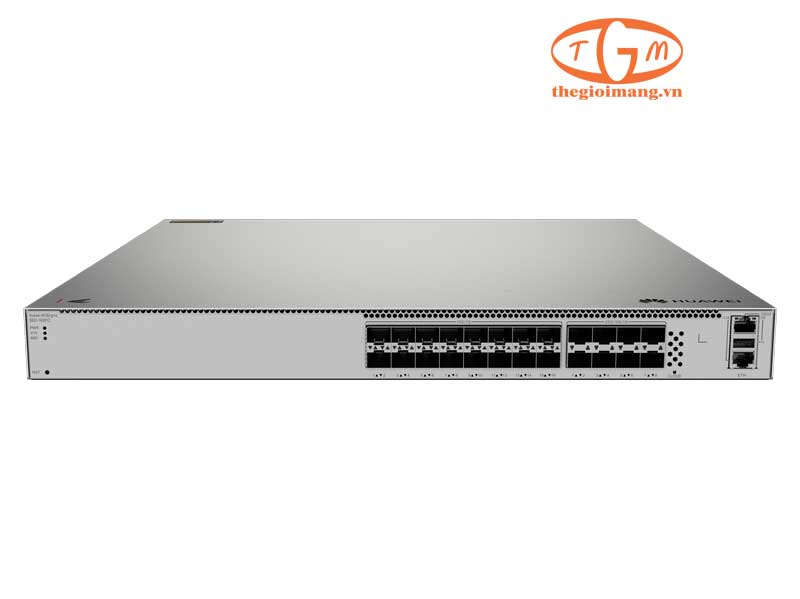
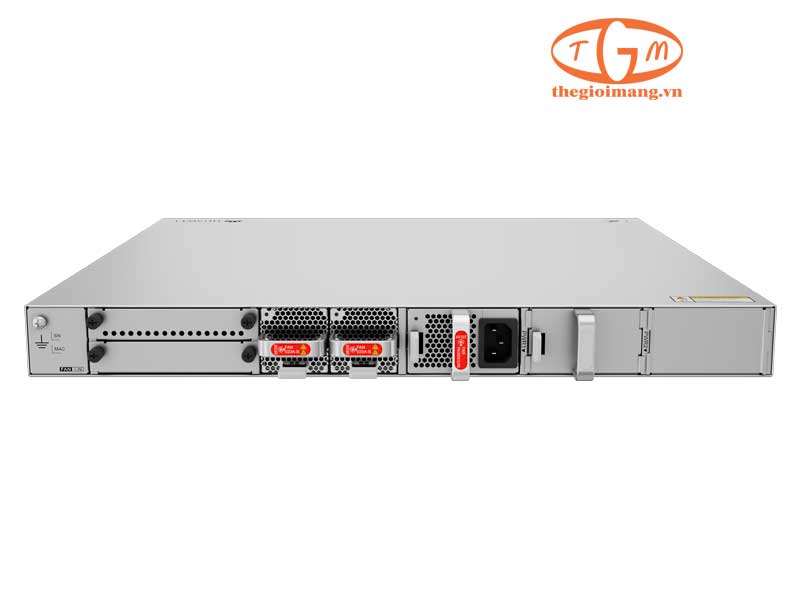
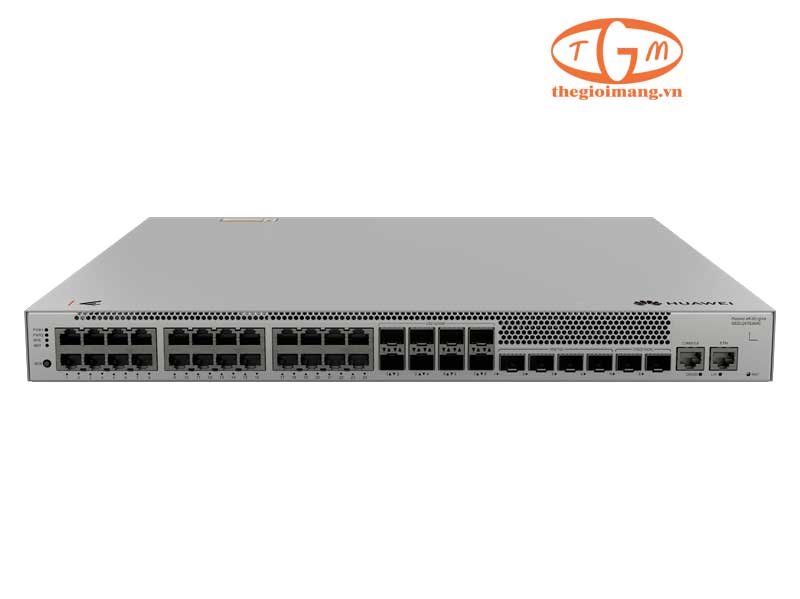
Switch Huawei eKitEngine S620-16X8YZ L3 16x10GE SFP+, 8x25GE SFP28




Huawei eKitEngine Huawei S620-16X8YZ là switch 10GE quản lý được thiết kế dành riêng cho doanh nghiệp vừa và nhỏ (SMB). Với nhiều loại cổng đa dạng như cổng điện GE, cổng quang 10GE, 40GE và 100GE, eKitEngine S620 Series hỗ trợ triển khai mạng linh hoạt và băng thông cao. Được trang bị các tính năng kiểm soát bảo mật tiên tiến, phương thức quản lý đa dạng, hiệu suất vượt trội và khả năng xử lý dịch vụ mở rộng, S620 phù hợp để sử dụng làm switch lõi hoặc switch tổng hợp trong các mạng quy mô lớn và trung bình, mang đến giải pháp mạng thông minh và đơn giản hơn cho doanh nghiệp.
Đặc điểm nổi bật của Huawei eKitEngine S620
Thông số kỹ thuật
| Model | eKitEngine S620-16X8YZ |
| Fixed port | • 16 x GE/2.5GE/10GE SFP+, 8 x GE/2.5GE/10GE/25GE SFP28 |
| Switching capacity | • 1120 Gbps |
| Packet forwarding rate | • 833 Mpps |
| Expansion slot | • One slot reserved for expansion card |
| Chassis dimensions (H × W × D) | • 43.6 mm x 442.0 mm x 420.0 mm |
| Chassis height (U) | • 1 U |
| Chassis weight (excluding packaging materials) | • 6.0 kg |
| Power supply type | • 180 W AC / 240 W DC modules |
| Rated input voltage | • AC: 100–130 V, 200–240 V AC, 50/60 Hz High-voltage • DC: 240 V DC DC: –48 V to –60 V DC |
| Input voltage range | • AC: 90–290 V, 45–65 Hz HVDC: 190–290 V DC DC: –38.4 to –72 V DC |
| Typical power consumption | • 79 W (with two 180 W AC PSUs) • 73 W (with two 240 W DC power modules) |
| Maximum power consumption | • 85 W (with two 180 W AC power modules) • 78 W (with two 240 W DC power modules) |
| Noise under normal temperature (sound power) | • 54.2 dBA |
| Operating temperature | • –5°C to +45°C |
| Storage temperature | • –40°C to +70°C |
| Relative humidity | • 5% to 95% (non-condensing) |
| Power port surge protection | • AC: ±6 kV (differential/common) DC: ±2 kV (diff), ±4 kV (common) |
| Heat dissipation mode | • Air cooling, intelligent fan speed adjustment |
| Service Features | |
| User management | • Unified user management • 802.1X and MAC address authentication • Traffic- and duration-based accounting • User authorization based on user groups, domains, and time ranges |
| MAC | • Automatic MAC address learning and aging • Up to 64K MAC address entries • Static, dynamic, and blackhole MAC address entries • Source MAC address filtering • MAC address learning limiting based on ports and VLANs |
| VLAN | • 4K VLANs • Access, trunk, and hybrid ports • Default VLAN • QinQ and enhanced selective QinQ • VLAN stacking • MAC address–based dynamic VLAN allocation |
| ARP | • ARP snooping |
| IP routing | • IPv4: RIP, OSPF, IS-IS, BGP • IPv6: RIPng, OSPFv3, IS-ISv6, BGP4+ |
| IPv6 features | • ND (Neighbor Discovery) • PMTU • IPv6 ping, tracert, Telnet • DHCP Server V6 |
| Multicast | • IGMP v1/v2/v3 and snooping • PIM DM, SM, SSM • Fast leave, traffic control, querier, protocol suppression |
| QoS | • Traffic classification by L2/L3/L4/802.1p • ACL, CAR, re-marking, scheduling • Queue modes: PQ, DRR, PQ+DRR • Congestion: WRED, tail drop • Traffic shaping • Network slicing |
| Native-IP IFIT | • Direct packet marking for real-time drop/loss stats • Two-way latency measurement • Statistical interval modification |
| Ring protection | • STP, RSTP, MSTP • BPDU/root protection, loop prevention • G.8032 ERPS |
| Reliability | • M-LAG • LACP & inter-device aggregation • VRRP, BFD for VRR • BFD for BGP, IS-IS, OSPF, static routing • Ethernet OAM • Smart Link |
| System management | • Console/Telnet/SSH access • SNMPv1/v2/v3 • FTP/TFTP/SFTP file transfer • BootROM and remote upgrade • Hot patching • User operation logs • OPS, Streaming Telemetry |
| Security & Mgmt | • NAC • RADIUS, HWTACACS login • MACsec • CLI authority control • DoS/TCP SYN/UDP/broadcast storm/heavy-traffic protection • IPv6 RA Guard • CPU queue protection for control plane • RMON |
S620-16X8YZ : 16*10GE SFP+ ports, 8*25GE SFP28 ports, expansion card slot, with 1*AC power module
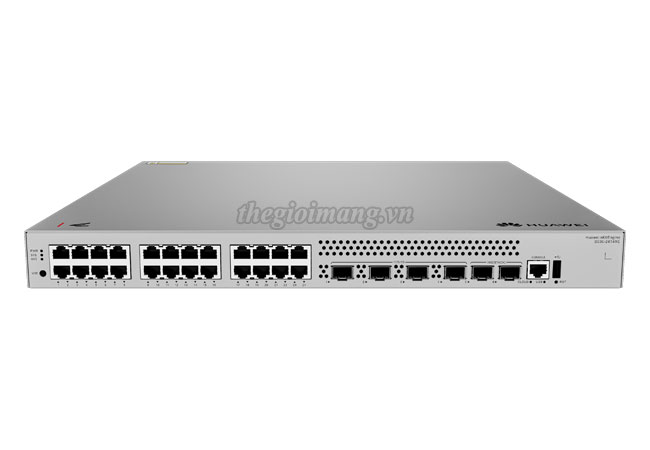
Switch Huawei eKitEngine S530-24T4XE Layer 3 24x1GE, 4x10GE...
Liên hệ để có giá tốt
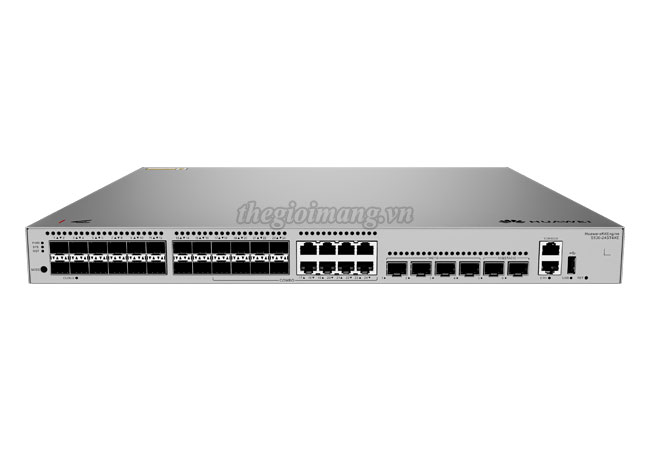
Switch Huawei eKitEngine S530-24ST4XE Layer 3 24x1GE SFP,...
Liên hệ để có giá tốt
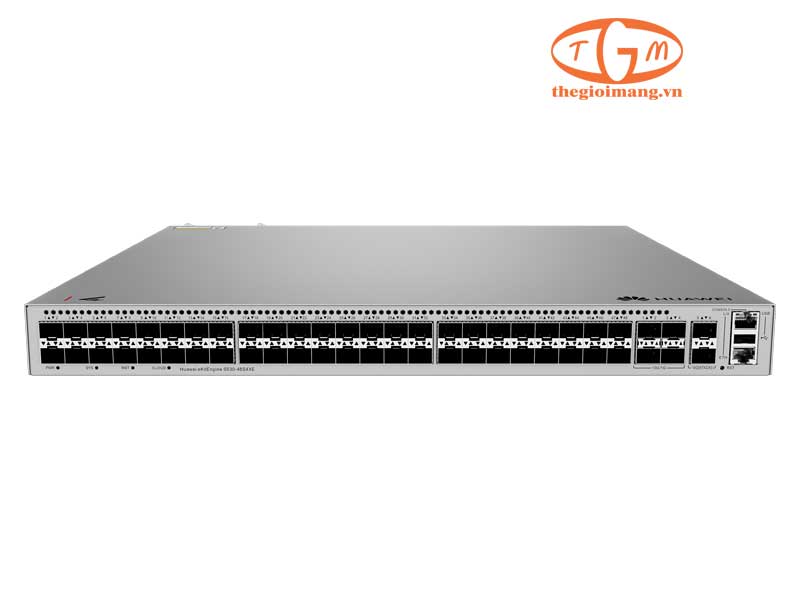
Switch Huawei eKitEngine S530-48S4XE Layer 3 48x1GE SFP, 4x10GE...
Liên hệ để có giá tốt
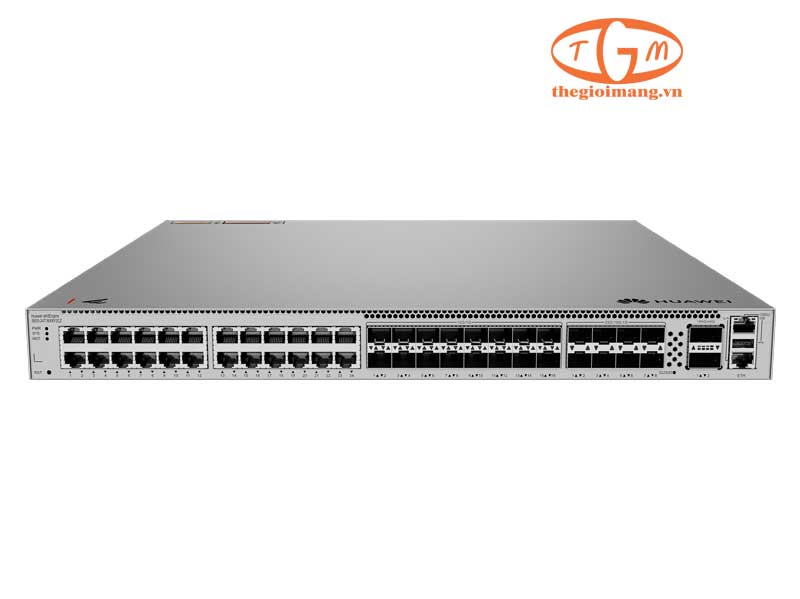
Switch Huawei eKitEngine S620-24T16X8Y2CZ Layer 3 24x1GE,...
Liên hệ để có giá tốt
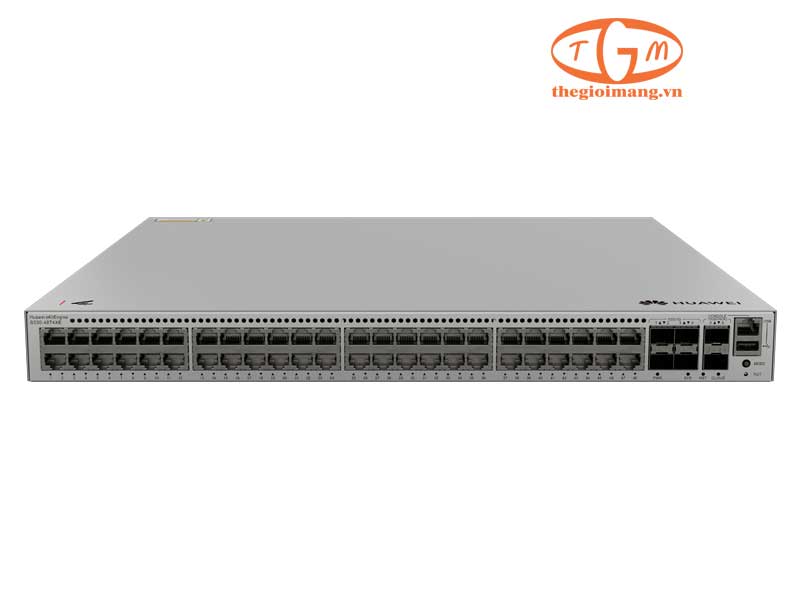
Switch Huawei eKitEngine S530-48T4XE L3 48x1GE RJ-45, 4xSFP+,...
Liên hệ để có giá tốt
Switch Huawei eKitEngine S530-24T8J4XE L3 24x1GE RJ-45, 8x2.5GE...
Liên hệ để có giá tốt